


Your AI Glasses Might Be Recording More Than You Think

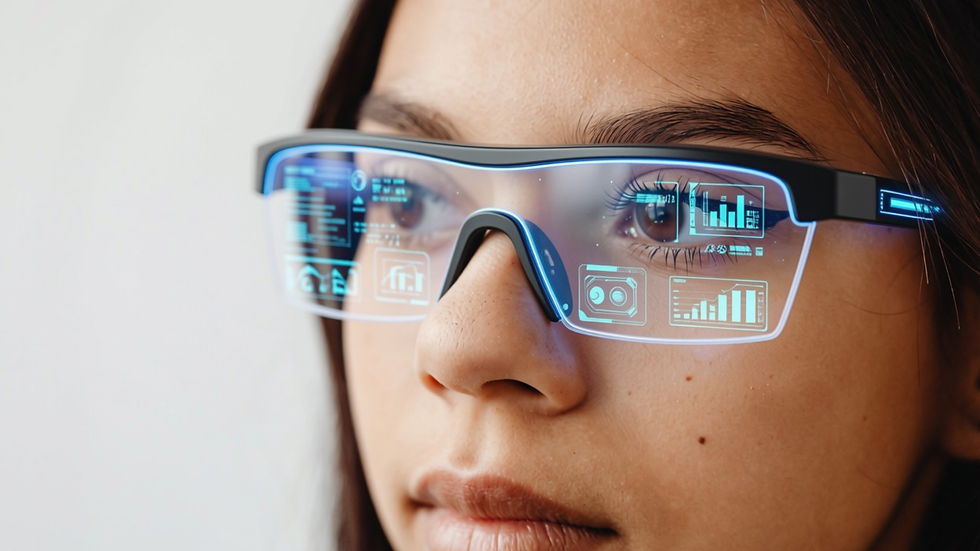
Imagine sitting in a coffee shop, having a private conversation with a friend. The person at the next table is wearing an ordinary-looking pair of glasses, and you don’t think twice about them.
You might not realize that those glasses could contain cameras, microphones, and an AI assistant that records and processes conversations. It’s scary enough to think about a stranger secretly recording you without your knowledge.
What if those glasses started recording without anyone commanding them?
If it sounds like a Twilight Zone nightmare, think again. That’s exactly what some Ray-Ban Meta smart glasses owners reported in October 2026.
AI Glasses Started Recording Without Permission
Several Ray-Ban owners discovered unexpected audio recordings in their Meta AI conversation histories. One user claimed the problem occurred across three different pairs of glasses.
Even more concerning, the recordings reportedly happened without anyone saying the usual activation phrase, “Hey Meta.”
Users also found that the feature allowing the glasses to respond without that phrase had been turned off—yet ordinary conversations were apparently being recorded and converted into text transcripts anyway.
Meta acknowledged the problem and said it had been resolved. Unfortunately, the company did not publicly explain what caused the issue or how many devices were affected.
Overall, these incidents raised uncomfortable questions about how much control people really have over devices that constantly accompany them.
How Do AI Smart Glasses Work?
Smart glasses look like traditional eyewear, but some models include microphones, cameras, speakers, and built-in AI. You can ask questions, take photographs, record videos, receive directions, or interact with an AI assistant without pulling out your phone.
For example, you might look at a restaurant menu and ask your glasses to translate it. Maybe you ask for directions while walking through an unfamiliar city.
To respond to voice commands, these devices need a way to detect when you’re speaking to them. Typically, that involves listening for an activation phrase.
There’s an important distinction, though. Listening for a command isn’t necessarily the same as recording and saving a conversation.
In this case, users reported that their glasses had saved audio and transcripts that they never intended to create.
Why Is This a Privacy Problem?
Think about the conversations you have throughout an ordinary day. You might discuss medical information with a family member, talk about finances with your spouse, or share confidential details during a work meeting.
Now imagine those conversations being recorded without your knowledge. Even if no one intentionally accesses the recordings, their existence raises privacy concerns. For example…
Where are they stored?
Who can access them?
How long are they retained?
Can they be deleted?
Those questions matter even more when AI systems can also transcribe, summarize, and analyze recorded speech.
Meanwhile, the person wearing the glasses isn’t the only person affected by these concerns. Anyone nearby could capture their voice or video, even if they never agreed to interact with an AI device.
What About the Recording Indicator Light?
Ray-Ban Meta glasses include indicator lights intended to signal certain recording activity. That’s useful, but it isn’t a perfect solution.
Someone across the room might not notice a small light. Another person might not recognize what it means. More importantly, a recording indicator doesn’t necessarily prevent unintended recording, as the Ray-Ban incident shows.
Even with privacy safeguards, software errors can sometimes undermine them.
That doesn’t mean every pair of AI glasses is secretly recording conversations. The number of affected devices remains unclear, and Meta says it fixed the reported issue. That still doesn’t mean we can assume that our regular privacy protections are infallible.
How Can You Protect Your Privacy?
You don’t need to avoid every wearable AI device. You should, however, understand what it can capture and how to control it.
If you own AI-enabled glasses, consider these precautions:
Review your recording history. Check whether the companion app has saved unexpected audio or transcripts.
Examine voice activation settings. Disable hands-free listening features when you don’t need them.
Keep your devices updated. Software updates may correct bugs and security problems.
Delete unnecessary recordings. Review the manufacturer’s options for managing saved audio and other information.
Respect private environments. Avoid using recording-capable wearables during confidential conversations unless everyone involved understands and agrees.
If you don’t own smart glasses, awareness still matters.
Pay attention to recording-capable devices during sensitive conversations, especially in workplaces, medical settings, and other environments where privacy matters.
Conclusion
AI glasses offer some impressive conveniences. They can translate languages, answer questions, provide directions, and capture moments without you reaching for your phone.
Unfortunately, convenience can introduce new privacy risks. The October 2026 Ray-Ban Meta incident demonstrates that even devices designed with recording controls can behave unexpectedly.
Meta says it fixed the problem, but the larger lesson remains.
As AI becomes part of the devices we wear every day, we need to understand what those devices can hear, see, record, and remember.
After all, a private conversation should stay private—even when someone nearby is wearing smart glasses.

Comments